

Best electric guitar players ever
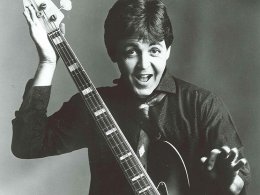
C'mon, you understood the pretty One ended up being going to become in the listing somewhere
Columbia Records (file image)
Just what do Sly therefore the Family Stone's "Dance to your Music, " The Beatles' "Dear Prudence" and Ebony Sabbath's "to the Void" have in common? Very little except this: these owe an important chunk of the awesomeness for their bass outlines.
Whether employed for its harmonic, rhythmic or brute power capabilities, the bass is both popular music's sexiest instrument and its own many under-appreciated. A few of the most influential and commonly heard bassists continue to be virtually faceless towards average man or woman, although some tend to be better-known because of their singing or songwriting achievements than for their mastery for the bottom end. Some have grown to be legends, whether through virtuosity, showmanship or both; some passed away tragically young, but delivered these types of brilliance in their brief careers that they redefined the four-string's opportunities.
These are L.A. Weekly's picks for the 20 biggest bassists of all time, in just about any style.
20. Kim Contract
There is nothing showy about Kim contract's bass playing. During the woman tenure utilizing the Pixies, contract's minimal design was usually enveloped because of the gorgeous sound surrounding the lady. The bass lines peek through on songs like "Monkey visited Heaven, " "Velouria" and "right here Comes Your Man, " nevertheless they're constantly subdued and one that a laid-back listener might miss. Then there's "Gigantic." Package has actually a writing credit and sings lead on the musical organization's first real single. While which makes the song unlike much of the rest of The Pixies' result, it is an excellent sign of her role because of the group. Once guitars burst through the song, contract's power as a bassist is clear. She's exactly what kept The Pixies from just sounding like a racket. — Liz Ohanesian
19. Fred Maddox
While punch bass originated in Storyville cathouses 100 years ago, it had been Alabama-born, California-based renegade Fred Maddox who managed to make it a rockabilly basic. Idolized by Elvis’ bass thumper Bill Black, Maddox was therefore successful that at one-point in the late 1950s, Columbia Records had two individual contracts on him. But he never ever discovered how exactly to tune as well as properly have fun with the bass. Maddox’s natural, percussive style ended up being all frantic staccato — no bass lines, no chords, maybe not just one note of songs — but Maddox overcome it out so effortlessly (and physically goofed onto it so entertainingly) which he ended up being called certainly one of post-war country music’s biggest performers. Whether playing the Grand Ole Opry in 1949 or touring Ca honky-tonks with Gene Vincent therefore the Fendermen during the early '60s, Maddox was a show-stopping skill, one with a gleeful, proto-punk disregard for music and personal meeting. — Jonny Whiteside
18. Les Claypool
He was too good for Metallica during an infamous audition in 1986. However, exactly how could the starry dynamo of punch bass end up being the next Cliff Burton? Les Claypool, the lunatic edge of bass, stepped far from Metallica to become the greatest bass player of ‘90s as Primus' frontman. Their signature style (a percussive barrage of slap insanity) offered him the decade’s most recognizable sound. His genius is just too big absurd for instructional DVDs. The finger-tapping bass line on Primus’ “Jerry had been a Race automobile Driver” can’t be taught; the rattling demolition on “My Name Is Mud” doesn’t result from practicing machines; “Tommy the Cat” takes funk and slimes it with ectoplasm. He’s the bass playing comparable to Hunter S. Thompson and mid-‘70s Miles Davis: a free-flowing nut whom took center stage and transformed the method. — Art Tavana
17. Aston Barrett
The iconic reggae tunes of Bob Marley resonate with individuals worldwide, nonetheless they wouldn’t have-been nearly since deeply had it not already been for the efforts of Aston “Family Man” Barrett. Conjuring subatomic grooves with light accents and melodic hooks, the famous Wailers bassist — just who got his nickname for being the bandleader and primary arranger of Marley’s backing team, and just who nevertheless leads a version of Wailers even today — penned the hummable bass lines for hits like “Stir It Up” and “Jammin’.” But he’s also mentored other bass greats and brought their soulful design to tracks by legends like Lee “Scratch” Perry and Augustus Pablo. So and even though he’s already been denied royalties for their efforts to Marley’s songs, his contributions to reggae all together are undeniable. — Peter Holslin
Share this article
Related Posts

Latest Posts


