
Acoustic sound from Electric Guitar

How to pick An Acoustic Guitar
Choosing a brand new electric guitar is a fantastic process! And although there are hundreds upon countless great tools online seeking your interest, your choice does not need certainly to feel daunting anyway. Indeed, the best first rung on the ladder to simply take is not hard – only regulate how you really plan to utilize the tool. Depending on whether you’re gigging away, home recording, or interested in a fine collectible to accrue worth as time passes, the way in which your electric guitar are used can really help you narrow down what you’re interested in. As constantly, your Sweetwater product sales Engineer has many years of experience helping customers find their particular perfect electric guitar. Call (800) 222-4700.
Tonewoods: sonic signatures
Suitable tonewoods for your needs rely mainly about what form of sounds you want and exactly how you play your guitar. A fingerstyle player, including, will need wood that responds to his or her fragile playing instead of a wood that will require even more power – like utilizing a pick – to fully resonate. Guitar craftsmen, or luthiers, believe that the timber selected the top may be the solitary the very first thing in deciding just what the instrument will ultimately appear to be.
Following the top, the trunk, edges, and neck will be the after that primary in general tonality. Other woods, for instance the bracing, binding, connection, and fretboard can also offer to enhance or constrain the tonal ramifications of an acoustic guitar’s various other woods – though they generally don’t determine the sound of a musical instrument.
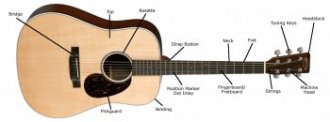 It’s crucial that you take into account that lumber types may be responsible only for specific facets of the tone of every guitar. Incredibly important tend to be design, skill associated with manufacturer, additionally the quality of every person piece of timber utilized. However, tonewood choice may be a determining factor in the creation of a rather special guitar or a guitar designed for a particular purpose.
Spruce
Spruce is a regular product for tops, the absolute most popular types becoming Sitka. Its high rigidity, with the lightweight qualities of all softwoods, helps it be an all natural for high velocity of sound. Sitka spruce even offers a strong direct tone with the capacity of maintaining its clarity whenever played forcefully.
Cedar
Cedar, specially Western Red Cedar, is a favorite top wood because of its balanced warm noise. It’s especially favored by fingerstyle people for its signature fast, wealthy a reaction to the lighter playing style.
 Mahogany
Whenever utilized as a top, mahogany has actually a comparatively low response price (compared to other top forests), substantial density, and the lowest overtone content. Mahogany-topped guitars have a strong “punchy” tone which suitable to country blues playing. When considered for back and edges, mahogany has reasonably high velocity of noise, which contributes much overtone color.
Maple
Different types of maple, like big-leaf, sugar, and bearclaw, tend to be more acoustically transparent due to their lower reaction rate and large amount of interior damping. This allows the tonal attribute of this top is heard without having the inclusion of significant tonal color.
Rosewood
Rosewood is known for its large reaction price and wide range of overtones, and is particularly described as strength and complexity in the bottom end and a standard darkness of tone in other countries in the range. Powerful mids and highs in addition contribute a richness of tone on top registers.
Must I get acoustic or acoustic-electric?
Choosing between a classical guitar and an acoustic-electric guitar is an important decision – and it also truly extends back to how you want to use your tool. The essential difference between the two is that an acoustic-electric guitar contains some sort of electronic “pick up” system, to connect into an amplifier or a PA system and hear your acoustic sound reproduced.
Even if you don’t play aside stay, there are lots of advantageous assets to choosing an acoustic-electric guitar. Including, numerous performers enjoy being able to plug their particular electric guitar into an audio program to record their songs. In that way, you'll sketch down song some ideas quickly and never having to bother about purchasing or setting-up any microphones. You will also stay away from prospective “room noise” in your recordings.
Share this article
Related Posts
Latest Posts


