
Acoustic and Electric Guitar amp
If you have an electric-guitar amplifier, you should use it for your acoustic, and you will be capable of geting an audio you love, but electric-guitar amps are often designed to color the sound, while acoustic amplifiers are designed to be as clean as you are able to, just like a small PA. Like, it is not uncommon for acoustic amps having a tweeter (much like a hi-fi speaker) to produce a wider selection of frequencies, and might also have integral effects that are optimized for acoustic guitar. Should you want to utilize one amp both for electric and electric guitar, you could utilize a clean, wide-range acoustic amplifier in combination with a modeling pre amp for your electric guitar. If you invest a little time learning utilizing your amp, you'll get a significantly better noise and strengthen your performance.
Get acquainted with the Ins and Outs:
An amp's inputs and outputs determine to some extent just how it can be used, making sure that's a great place to begin while shopping for an amp. Obviously, every amp has actually an input jack for your electric guitar, but the majority of amplifiers consist of numerous inputs having various other functions. An extra station can be utilized for a moment guitar or to blend a stereo pickup. A three-pronged XLR input lets you connect in a microphone, either for vocals or your guitar. Some amplifiers provide phantom power, which can be required by most condenser microphones. Several amps also offer low-level phantom power (usually 6 to 15 volts, rather than the typical 24-52 volts), that can be of use when your electric guitar includes an interior mic.
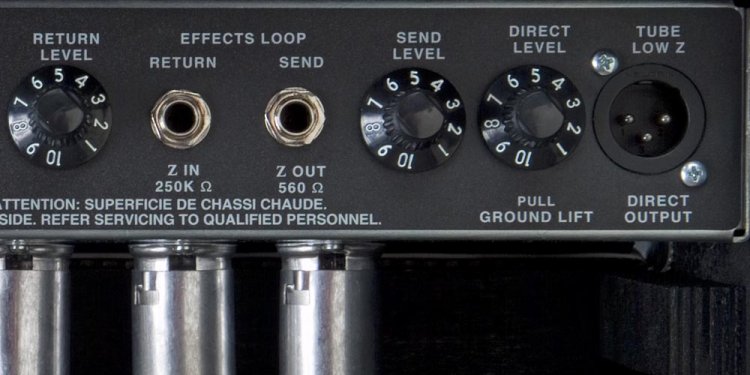
Your amp may have a line out or direct down. The previous is a quarter-inch jack that provides a production appropriate operating an external power amplifier, a mixers range input, or a recording product. The direct away, which acts exactly the same work as a DI field, is generally an XLR link - the most common option to connect with a mixing board. Some amplifiers have an output for an electronic tuner.
Tone Controls:
Most amplifiers have actually at least a volume control in addition to bass and treble tone controls. Some could also have a midrange control. The regularity range impacted by each tone control differs with different brands, so youwill need to experiment to master how-to best make use of them along with your instrument. Take to starting with the tone manages set-to a middle position so you have space to regulate all of them in a choice of course. Some amplifiers, although not all, are created to be "flat" (no EQ) with the tone manages into the 12 o'clock place. If you wish to make changes, keep in mind that you can make use of tone settings to reduce along with boost different frequencies. For example, if your guitar sounds too slim, decide to try cutting the treble in place of boosting the bass. If the guitar appears too dirty, decide to try cutting the midrange in the place of improving the treble.
Channel and Master Amount Controls:
Many amplifiers have a master-volume control as well as amount controls per station. While the master and channel settings impact the amplifiers amount, the channel amount in addition affects the tone. What you need doing is find the top clean environment of the specific channel volume, after which utilize the master volume to control the overall volume. Here is one method to discover proper configurations per: Turn the master volume entirely straight down, connect your electric guitar in, and play since tough as possible. If the amp has a clipping signal, gradually boost the station volume through to the light flashes sometimes, then change it straight down somewhat. In the event your amp does not have any clipping indicator, change the master volume up sufficient to hear the sound and tune in when it comes to distortion as you boost the station amount. With regards to starts to distort some, ease it back once again a tad, then make use of the master to regulate the overall amount.
Notch out suggestions:
Numerous amplifiers have a notch filter, which will help control comments by "notching out" (eliminating) the frequency that is evoking the squealing. To get the right setting the notch filter, gradually turn-up the amp until feedback starts (be careful to get this done gradually so you do not harm your ears). After that adjust the notch filter's frequency through to the comments disappears. The frequency from which the comments takes place depends on the area, a guitar, plus where you are standing, so you might must readjust this in numerous venues. Some amplifiers also have a phase switch, which will help with comments. If you should be having difficulty, just flip this switch to see which environment is most effective. And don't forget that one can always fight comments by reducing the volume.
Impacts Color your sound:
Reverb, which will be included of all acoustic amplifiers, might help restore a few of the ambiance that gets lost when amplifying a classical guitar. Various other effects, like chorus and wait, are included on some amps, and certainly will be employed to change your sound much more significantly.
Besides integral impacts, many amplifiers have an effects cycle: a set of jacks in the back of this amplifier that allows you to include impacts between your amp's preamped signal and its own power amp. To utilize this, run a line from effects-loop output into the effect box's input, after which from the processor's result into the effects-loop feedback. Impacts loops frequently perform best with rack mount effects products that are meant for line-level inputs and outputs. If you would like make use of stomp containers, just plug them among your electric guitar and amplifier.
Find the Right place for your amp:
Whenever carrying out it is critical to find the right location for your amp. Besides installing into the available room, you will need to ensure that the sound is suitable for the viewers, plus yourself and anyone you're carrying out with. You are able to reduce steadily the possibility of comments by pointing the amplifier from your electric guitar. In the event that you connect your amp's direct off to a PA system, you can use your amplifier as a stage monitor, that allows more mobility in placement and amount. You'll select a location and volume amount enabling you, including any musical organization mates, to know comfortably, even though meaning the amp isn't directed toward the viewers. In more small venues, you'll want to experiment to find a location that works for all. Decide to try beginning with the amp to one part, directed...
Share this article
Related Posts


Latest Posts


