

Electric Guitar Strings Wound G
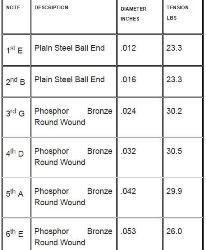 The answer is nickel wound strings (entirely on electric units and John Pearse Nickle Wound Acoustic sets) of confirmed gauge (diameter) will have less general size than a comparable measure "Phosphor Bronze" or "80/20 Bronze" therefore tune to certain pitch at slightly reduced stress (assuming equal scale length). See comparison chart at end of this solution.
Let's talk some about electric sequence tension vs. acoustic sequence stress and also the cause of the prevalence of nickel wound strings on an electrical electric guitar.
a classical guitar depends upon the vibration associated with the strings to amplify the sound-board and create audible noise. The weightier the measure and tighter the strain, the greater vibration the strings can produce to vibrate the most truly effective (soundboard) and more powerful oscillations produce more volume than poor vibrations. Theoretically what happens on an acoustic electric guitar is the fact that strings vibrate at certain frequency based on tuning and fretting. Those vibrating strings consequently vibrate the seat they sit atop which sits atop the bridge which is fastened into top. In simplistic terms - the strings vibrate the seat which vibrates the bridge and top which in turn functions in a manner comparable to a speaker cone and produces the audible sound we hear within frequency founded because of the strings.
Electrical guitars rely on magnetized pickups to translate the vibrating string to a power sign which ultimately nourishes into an amp through digital circuitry - which results in a vibration for the presenter through coil and magnet therefore we hear the noise emanating from the amp's speaker. The electronic devices included enable the volume is managed by volume knobs on both the electric guitar and also the amp.
Since electric guitars count on the amplifier to offer the amount, the gauge of string is less vital that you volume (simply change it up for lighter strings) and electric guitars can use extremely light strings. The less heavy strings provide for simpler bending which reality contributed towards development of modern-day guitar types that use flexing of records to great result.
Nickel strings tend to be magnetized - meaning they react well to the magnetic pickups in an electrical guitar, whereas the windings on Phosphor Bronze or 80/20 Bronze acoustic strings don't react well anyway to magnetized pickups ("non-magnetic" metal).
But "bronze" wound strings have a tendency to seem better on an acoustic and a lot of people choose the sound of "bronze" wound acoustic strings over "nickel" injury. There are some people just who just like the mellower noise of "nickel" wound on some acoustic guitars which explains why John Pearse offers "Nickel Wound Acoustic" strings.
Share this article
Related Posts



Latest Posts


