
June 2, 2013
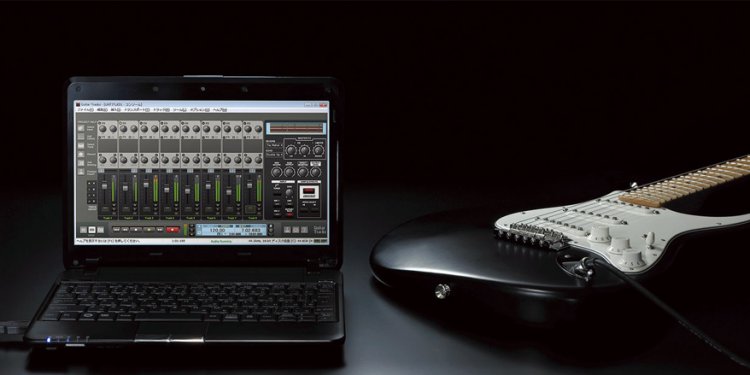
Electric Guitar Recording
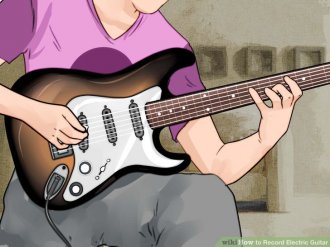
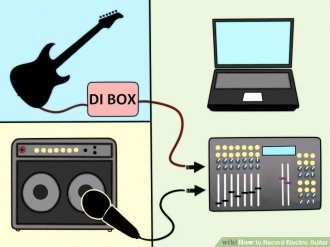 Decide between mic recording or utilizing a direct box (DI). Recording the noise of electric guitar by miking your amp is a good solution to simulate studio high quality noise. However, this may need costly gear, like an excellent amp, microphone, and potentially sound dampening gear or material. However, it is possible to plug your guitar directly into a DI to record your electric guitar.
- a limitation of employing a DI could be the somewhat sterile nature regarding the recording it produces. A DI is only going to capture the sound of electric guitar, without having any results or regular speaker distortion.
- DAWs and noise manufacturing computer software cover a variety of functions. Most are free, many may be over $800 in cost.
- The most suitable DAW/software depends entirely on your purposes and scenario.
 You may wish to substitute your strings, as brand new strings develop a brighter tone and have better sustain.
- Finger sliding makes undesirable squeaks while tracking. Apply fretboard lubricant towards electric guitar upfront to assist avoid these from occurring.
Process 2
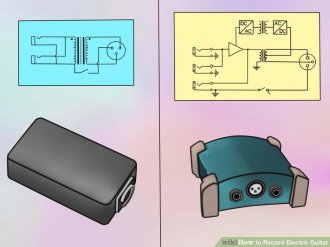
Making use of a Direct Container- Determine between an energetic and passive DI. The most obvious difference between both usually an active DI requires an electrical supply for you to run, while passive DIs cannot. Beyond that, due to differences in design, each one of these has strong matches that needs to be taken into consideration. For instance, the transformers found in passive DIs are more resistant into the hum developed by ground loops, making these ideal for on-stage performing. Additionally:
- Energetic DIs are better suitable for passive devices, including:
- Electrical guitars
- Passive basses
- Vintage Rhodes pianos
- Passive DIs are usually better worthy of active devices, like:
- Active basses
- Keyboards
- Electronic percussion
- Energetic DIs are better suitable for passive devices, including:
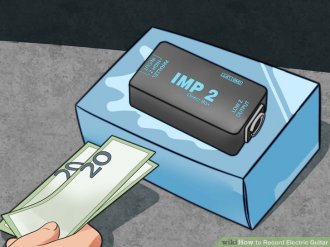
- Purchase your DI. There are many options of DI offered, some packed with functions that you might find of good use.
 Amp simulators, like, is layered above your DI recording. This may offer your recording a sound more like what you'd hear created from an amp.
- Though the using a DI may be reasonably inexpensive, quiet, and room efficient, most audio industry experts agree that also masterful DI tracks skip a quality captured through miking an amp.
- The cost range for DIs differs dramatically, with lower end designs costing as low as $40 and high end models costing over $1, 000.
- Some sound specialists suggest trading $1 in a DI for good $5 you spend in your tool.
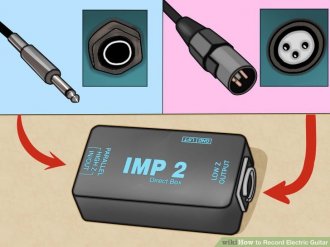
- Attach your DI. You should always stick to the directions that was included with your DI, but usually, you should be capable hook it by connecting your electric guitar with a ¼" output cable. Then you will need certainly to connect your DI production, that'll likely be an XLR link, to your blending console/audio interface/computer.
- Due to the fact that the sign being sent from your own DI to your blending console is normalized towards microphone amount, you'll want to link the DI production to your mixing console's mic feedback.
- Record your self play guitar. Set your DAW/audio user interface to "Record" and play your songs. If you have done, stop tracking and pay attention to what you have played on earphones. Keep in mind, your DI is only going to have grabbed the sound of your electric guitar, and as a result of this, your recording might sound slim, or want it is lacking anything.
- By using amp simulators, you can include regular distortion and presenter impacts towards recording, that will complete the noise.
- Tweak your amp simulator settings, if appropriate. When you yourself have an amp simulator for your use, you can include its results towards recording so it can have an even more realistic noise. Tune in to the modifications you will be making with headphones, and make use of the simulator's interface to regulate the recording unless you are pleased with its sound quality.
Share this article
Related Posts
Latest Posts


